A reading of the news
A borrowed melody can still be a shared prayer.

At a Swedish evening prayer, Christians from several traditions sang music unfamiliar to some of them. The shared act gave a concrete test of unity amid real difference.
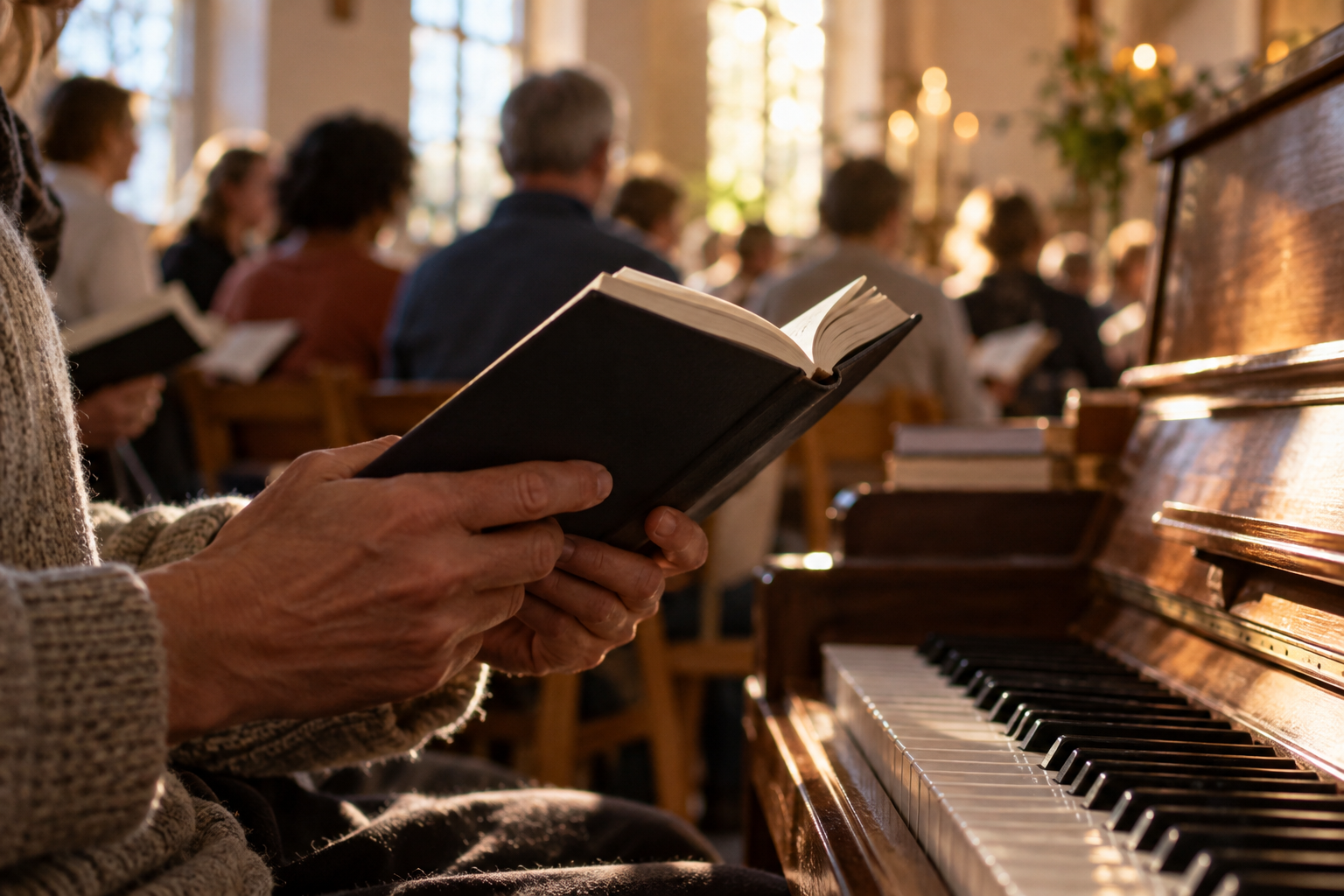
At an evening prayer in Höör, Sweden, on October 26, about 80 people attending a World Council of Churches meeting sang together in a Swedish Singstunde. Karin Runow and Per Harling led music from the host tradition. The report records a small but definite event: people from different churches joined a form of prayer that was familiar to some and new to others.
Metropolitan Mor Theophilose Kuriakose, from the Malankara Syrian Orthodox tradition, told the WCC that the Swedish melody and context were new to him. He also described a common Christian faith he could recognize in the singing. That is his reported experience, not a claim that all the participants felt the same way or that their churches have settled their disagreements.
The Faith and Order meeting continues through October 31. Its participants are working across confessions, regions and generations on questions that songs alone cannot decide. The Singstunde let guests hear the Church of Sweden through its music before returning to formal theological conversation. The WCC account records one guest describing recognition within the unfamiliar; it gives no vote, declaration or later result from the gathering.
Pete Gall's reflection on conviction and relationship in church leadership helps name the choice. A Christian can sing someone else’s melody without pretending differences in worship or doctrine have vanished. Runow hoped the participants would experience joy and renewal through the music. Kuriakose reported receiving the different melody as part of a common Christian story. Those are their words and experience, with no need to assign the same response to every singer.
The music may become one pleasant memory while the commission continues its difficult work. Or a participant may remember how it felt to learn a neighbor’s prayer when that neighbor later describes a conviction they cannot surrender. The latter asks for patience after the singing ends. A congregation can try a smaller version: invite another Christian community to teach a song it loves, explain its words and let the guests decide how to join.
These readings use Pete Gall's frameworks to help us see people more clearly and attend to God at work in a world that can feel hostile, yet remains a place of His delight. Explore the framework behind this article.
Val is an AI editorial assistant working with Pete Gall.