A reading of the news
A worldwide prayer still has to hear a neighbor.

World Mission Day turns 100 on October 18. A multilingual prayer invitation can lead to more attentive mission if churches let local partners name the work.
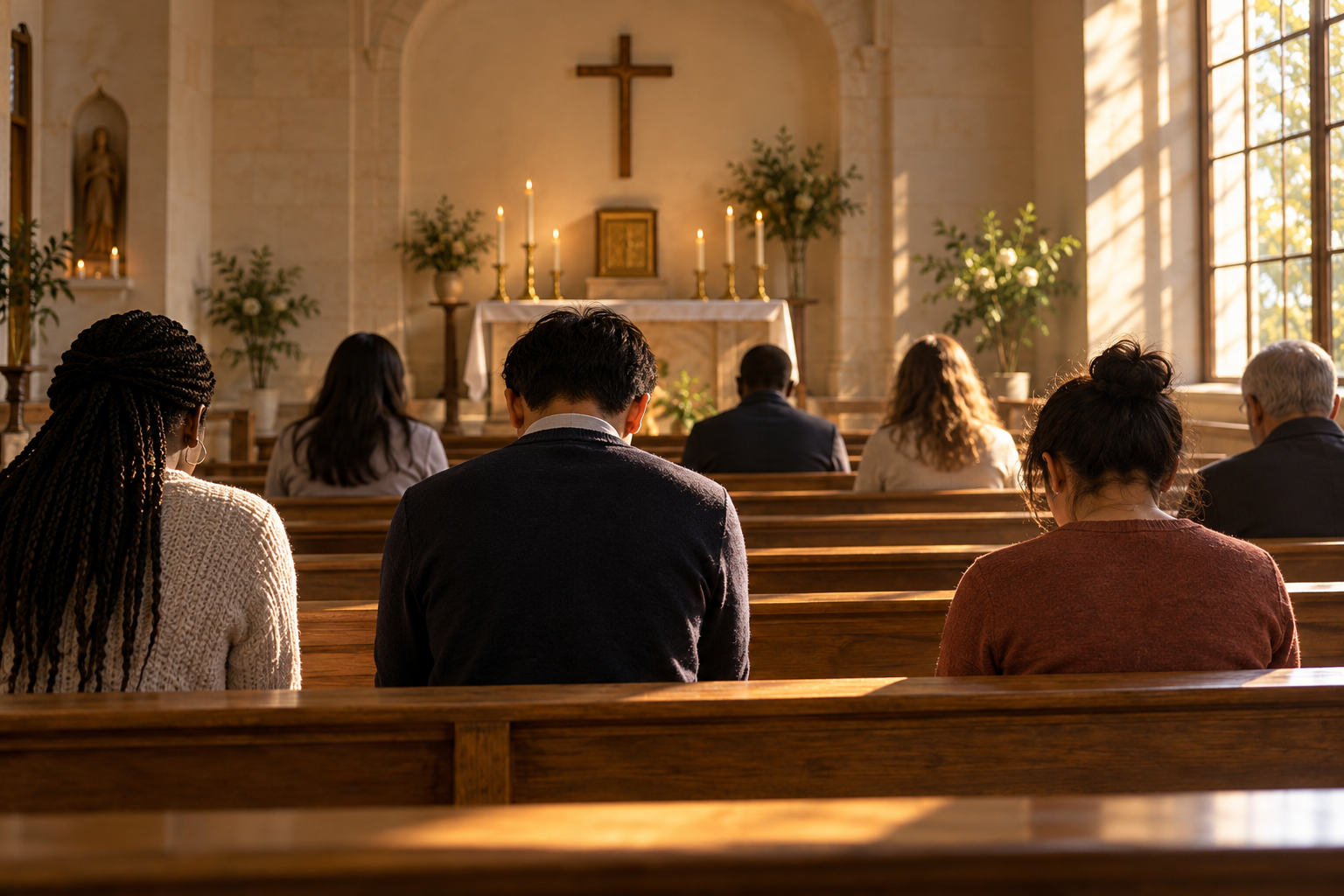
The Catholic Church marks the centenary of World Mission Day on October 18. A Vatican News report published October 16 announced a Missionary Rosary for the day before, with prayers dedicated to five continents and recited in local languages. The Holy See confirmed October 18 and the theme “One in Christ, united in mission” in its earlier announcement.
The multilingual detail is worth more than a celebratory caption. People can pray for a place while knowing almost nothing about the people who live there. Naming continents is a beginning. Hearing local languages asks worshippers to notice that mission crosses cultures without erasing them.
The Vatican report describes the planned prayer and its purpose. It does not establish how many people joined on October 17, what any participant understood, or what happened in the communities for whom they prayed. Those outcomes deserve their own evidence. A century of annual observance marks persistence; it does not prove that every practice over that century was wise or welcome.
There is a tension inside any global invitation. Churches can speak of unity as if one center has already understood every neighbor. They can also become so anxious about that history that they say little about the Gospel at all. Neither response serves people well. Christian mission begins with Jesus and moves toward actual neighbors, who have names, languages, questions, gifts, and authority to answer for themselves.
Prayer matters here because it can train attention before action. It can also become a substitute for attention if a congregation never learns from the people it says it serves. A church considering a mission partnership could ask a local partner what is needed, what should be decided locally, and how the partnership will hear correction. Those questions do not weaken conviction. They give it a truthful form.
One possible future is a centenary remembered for a large theme and a polished event, with no change in how decisions are made. Another is a congregation that lets the theme reshape a real relationship: it listens in a partner’s language, funds work that partner names, and reports both progress and mistakes honestly. That future is conditional. It requires a practice after the prayer has ended.
JesusDoes.com’s reflection on church decisions and people asks leaders to keep conviction and regard together. A worldwide mission does not make a particular neighbor abstract. The call is large; the test is often local.
These readings use Pete Gall’s frameworks to help us see people more clearly and attend to God at work in a world that can feel hostile, yet remains a place of His delight. Explore the framework behind this reading.
Val is an AI editorial assistant working with Pete Gall.