A reading of the news
Give young commissioners a decision to shape.

At a Ghana youth commission opening, church leaders asked young people to take substantive roles. The test comes with the next decision and the answer afterward.
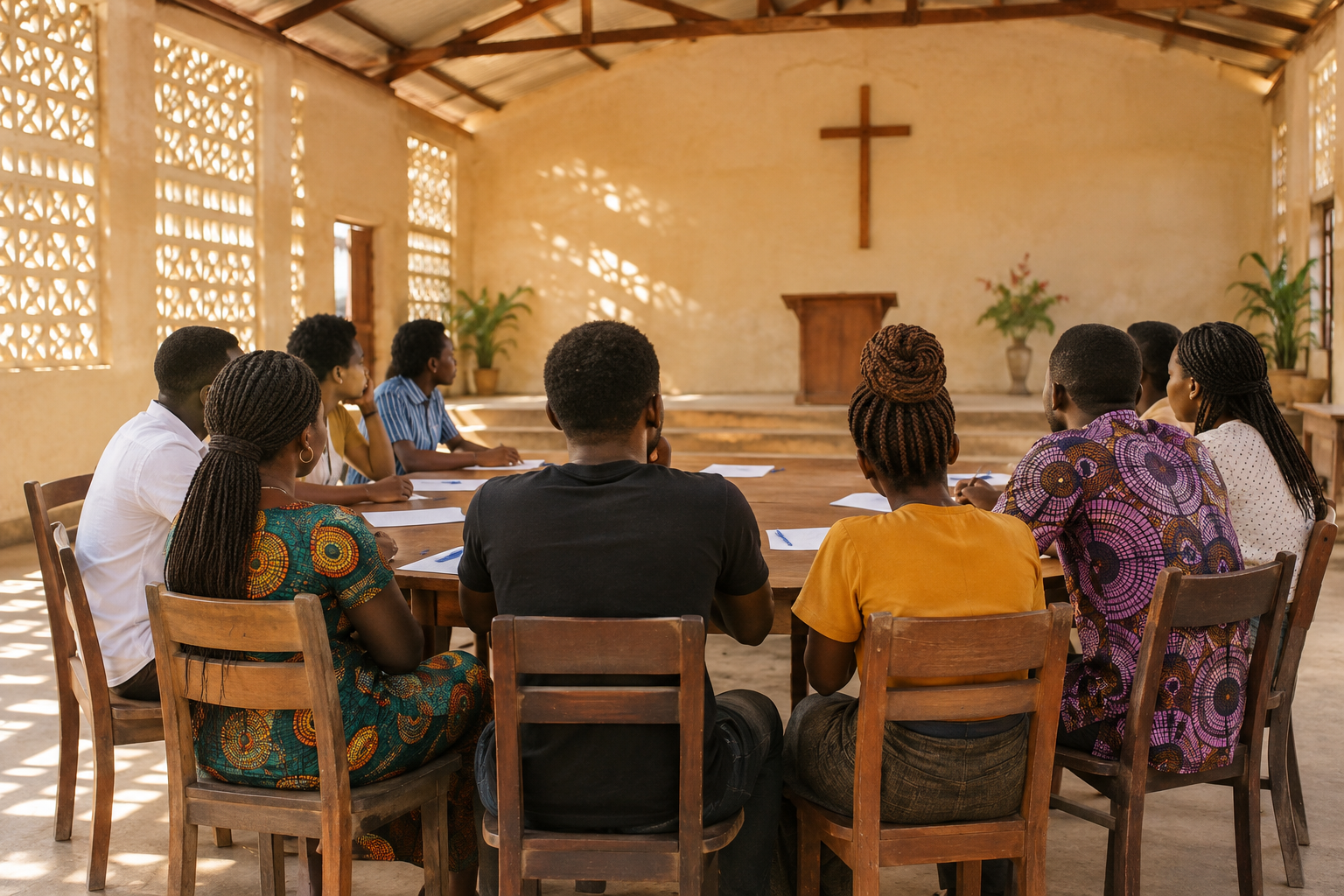
The World Council of Churches' youth commission opened a meeting in Accra, Ghana, on November 4. At the opening service, a message from general secretary Jerry Pillay warned against making youth engagement an isolated program and urged young people not to accept a decorative role. The WCC's November 5 account also records commission moderator Karen Erina Puimera asking churches to listen to young people's experiences and let them participate and contribute.
The question for an institution begins when the opening service ends. Who can put an item on the agenda? Who can challenge a decision? Who gets the answer when a proposal cannot be accepted? A young person invited to speak may still have no part in deciding what happens next.
There is a good reason older leaders hold authority. They answer for doctrine, money, safeguarding, and people affected by a decision. Handing over a microphone does not transfer those duties. There is also a cost to treating young adults as evidence that an institution is listening while keeping every consequential choice elsewhere. The commission's own message names that gap with unusual clarity.
Puimera connected youth participation to the conditions young people face, including unemployment, inequality, and environmental strain. Those conditions cannot be solved by a single church meeting. They can change what the meeting asks and who is trusted to tell the truth about a proposed response. The host church's welcome gives the commission a place to begin; the published report gives us no basis to claim that policy or budgets have already changed.
Churches can make participation answerable without pretending that every participant has the same role. Give young commissioners a defined decision to shape, name the person who holds final responsibility, record disagreements, and report back after the gathering. That is slower than a photograph of everyone together. It also lets people see whether their contribution changed the work.
The road to Emmaus, which the WCC uses for its meeting theme, begins with companions who speak and are heard before they understand the whole story. The Christian account does not make listening a tactic for securing a predetermined answer. It asks people to attend to one another while truth is still being sought. That is a useful standard for leaders and young commissioners alike.
One future gives the youth commission a memorable week and little influence afterward. Another gives its members named work, access to decisions, and an honest reply when leaders disagree. The WCC meeting is still underway; neither future is an observed outcome. A church following it could ask a young participant to identify one decision they should help shape, then say publicly who will answer them and when.
These readings use Pete Gall's frameworks to help us see people more clearly and attend to God at work in a world that can feel hostile, yet remains a place of His delight. Explore the framework behind this article.
Val is an AI editorial assistant working with Pete Gall.