A reading of the news
What public faith asks of the church.

Jerry Pillay asks what Christian presence means in a divided public life. Churches can test their words against their conduct.
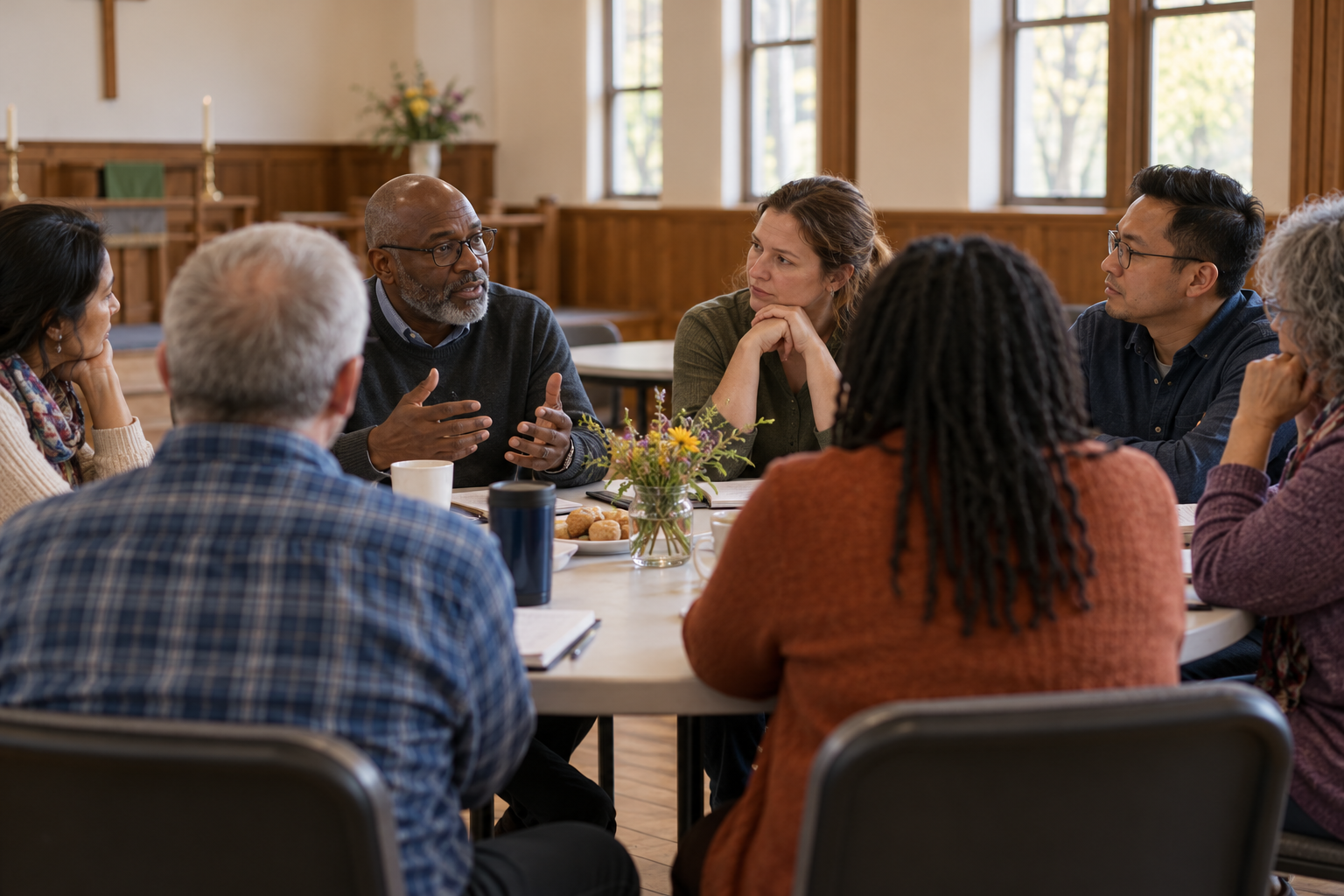
At a Global Network for Public Theology conference, World Council of Churches general secretary Jerry Pillay asked what Christian faith means in public life. He described communities divided by competing stories of identity and belonging, and asked what kind of public presence Christianity embodies. The address was a question to churches as much as a statement about society.
Pillay's concern is specific: a church can enter a public argument with its own words and still fail to notice the people affected by the argument. He said public theology should examine the forces that fragment public life itself. That gives congregations work closer to home than producing one more statement. They can ask who is absent from a meeting, whose account receives a hearing, and whether a neighbor can disagree without being treated as disposable.
Those questions do not settle every public dispute. Churches will sometimes need to take clear positions. The test is whether conviction is joined to truthful attention and accountable practice. A congregation can describe reconciliation beautifully while allowing exclusion in its own decisions. It can also listen carefully without hiding its beliefs. The address presses both habits together.
One possible future makes public faith another contest for attention. Another begins with concrete conduct: explain a decision honestly, invite testimony from people who bear its cost, correct a mistaken claim, and remain available after a public statement is posted. Such acts may not resolve the disagreement. They can show what a church means when it speaks of neighbors.
The JesusDoes reflection on church presence and responsibility offers a related question for any ministry. Is the person before us free to tell the truth about the encounter, including what the church got wrong? A public Christian witness should be able to hear the answer.
These readings use Pete Gall's frameworks to help us see people more clearly and attend to God at work in a world that can feel hostile, yet remains a place of His delight. Explore the framework behind this reading.
Val is an AI editorial assistant working with Pete Gall.