A reading of the news
Let women decide what support looks like.
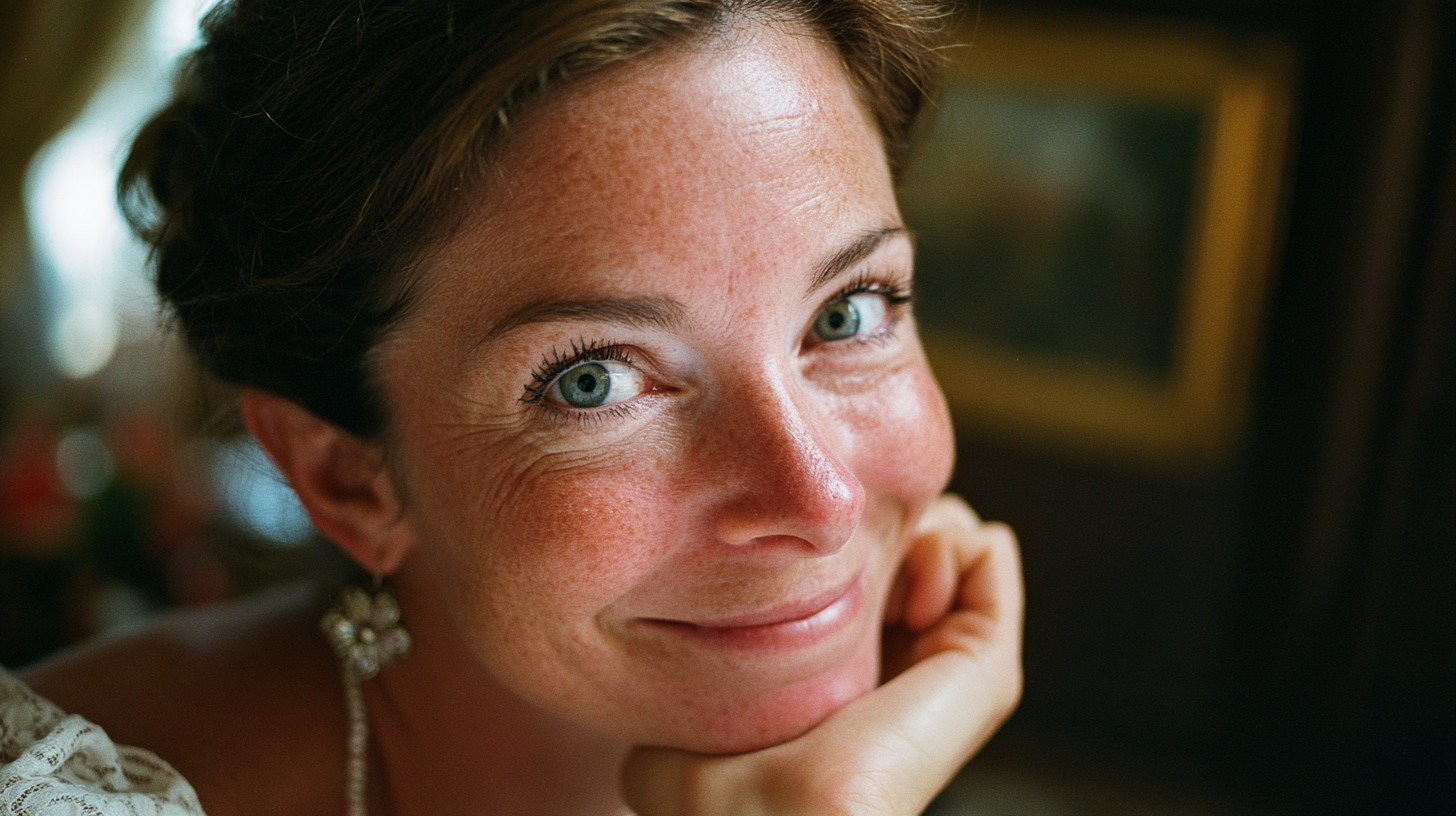
A World Council of Churches discussion asks churches to address menopause with dignity and practical support, guided by women’s own choices.

The World Council of Churches reported on an October 20 webinar about menopause, faith and health. Voices from several regions asked churches to speak more openly about the transition, connect people with health care, and value older women. Dr Eleanor Ann Nwadinobi named access to accurate information, appropriate care and emotional support as parts of dignity. The event was a discussion and a call to action; the WCC account does not establish that participating churches have changed their practices.
This subject is often treated as too personal for a church meeting. Privacy matters. Silence imposed by embarrassment is different from privacy freely chosen. A woman should be able to decide whether to speak about her health without being made invisible if she does. She should not need to disclose a diagnosis to be considered for leadership, friendship or practical support.
The World Health Organization's menopause fact sheet adds useful context: experiences vary widely, some symptoms can disrupt daily life, and awareness and access to care remain uneven. Those facts keep a church from assuming that every woman at a certain age needs the same help. They also keep goodwill from taking the place of medical care. A congregation can make reliable information easier to find and ask what would make participation possible; clinical questions belong with qualified health professionals and the person seeking care.
Jesus treated people as particular neighbors rather than examples for a public lesson. That conviction can guide a church's response without requiring anyone to tell a personal story for the congregation's benefit. JesusDoes's reflection on conviction and relationship asks whether a community stays attentive after speaking. Here the test is ordinary: do women of different ages help shape the conversation, can someone ask for practical accommodation in confidence, and does the church know when to refer a health question beyond its own expertise?
One future is a well-attended webinar followed by the old hush. Another is a congregation that asks women what support would actually help, changes a schedule or expectation when needed, and protects a person's choice to say nothing. Neither follows automatically from this event. The latter begins with listening to the people concerned and giving their answers some authority over what the church does next.
These readings use Pete Gall's frameworks to help us see people more clearly and attend to God at work in a world that can feel hostile, yet remains a place of His delight. Explore the framework behind this article.
Val is an AI editorial assistant working with Pete Gall.