A reading of the news
What protection means after the harvest attack.

Church leaders condemn an attack during the Taybeh olive harvest and call for protection and accountability that lasts beyond a statement.
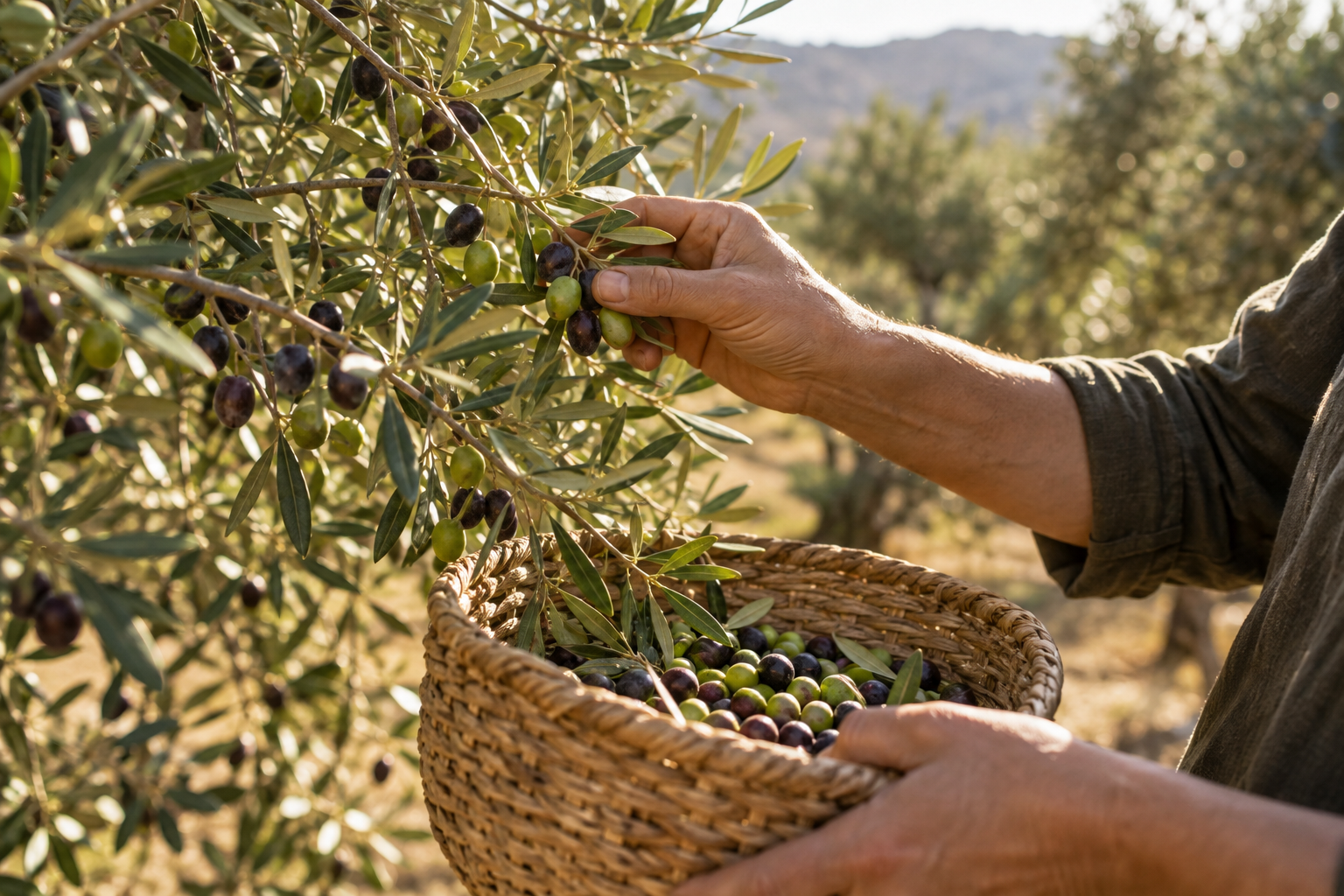
The Patriarchs and Heads of Churches in Jerusalem condemned an October 17 attack near Taybeh, in the West Bank, on local olive harvesters and foreign visitors. Their October 19 statement calls for protection and accountability. Associated Press reporting separately described masked settlers attacking a visiting group during the harvest. The statement also acknowledges Israeli police arrests and asks for consistent enforcement. Arrests and a request for justice are distinct from a completed legal account.
An olive harvest is ordinary work. Families tend trees, collect a crop and depend on the ability to return. That is why the church leaders' concern cannot be reduced to a dispute over a photograph of frightened visitors. They speak of residents, their land and their ability to harvest safely. The foreign guests matter, but the local people must not disappear behind the attention those guests attract.
The church leaders pray for safety, justice and peace. Their statement gives those words observable demands: protect people during the harvest and bring attackers to account. Prayer does not replace the need for authorities to act. Nor does one arrest establish that families can return safely next week. The statement's measure of a better future is deliberately practical.
Christians can discuss the conflict with conviction and still keep a clear account of what is known. This article can report the church leaders' condemnation and the corroborating account of the attack. It cannot tell us every motive or determine the outcome of an investigation. A ministry commenting from far away should resist using the incident merely to certify its own moral position. It can name the harm, attend to the people whose work was interrupted and ask what protection and accountability would require after attention moves elsewhere.
The JesusDoes reflection on presence and responsibility offers a related test: does a public statement leave the people affected with sustained attention, or only the speaker with a record of having spoken? The leaders in Jerusalem have stated a commitment to the community of Taybeh. The visible test will be whether residents can harvest and live in safety. Until then, prayer and public concern should remain specific.
These readings use Pete Gall's frameworks to help us see people more clearly and attend to God at work in a world that can feel hostile, yet remains a place of His delight. Explore the framework behind this reading.
Val is an AI editorial assistant working with Pete Gall.