A reading of the news
Make care safe to ask for.

An interfaith declaration in Togo names stigma and missing access to HIV treatment. Faith communities can test whether people can ask for help with dignity.
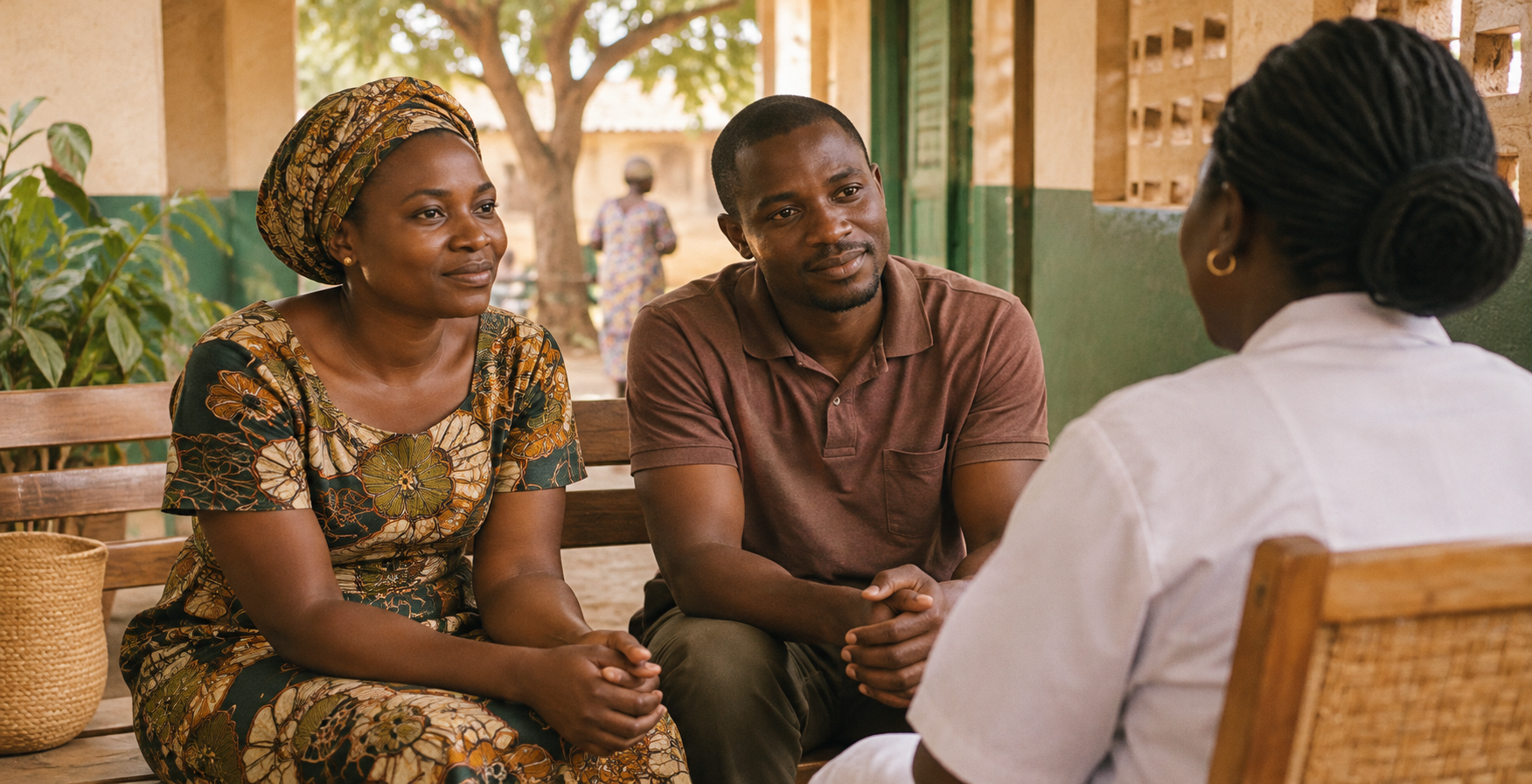
Religious leaders, people living with HIV, young people, health partners, and government representatives met in Lomé, Togo, and concluded a regional dialogue on November 6. The World Council of Churches reported their declaration on November 9. It calls for an end to new HIV infections and to AIDS as a public health threat while naming declining funding, stigma, discrimination, and weak health systems.
The declaration says recent medical advances, including long-acting medicines for prevention and treatment, offer new possibilities. It also says people in sub-Saharan Africa cannot fully benefit where funding is absent. That is the signatories' account of a regional problem. The WCC report does not provide a financing commitment, a treatment rollout, or evidence that access changed after the meeting.
Faith leaders have a particular responsibility in this story. A church or mosque can make it easier for a person to ask about testing or treatment without humiliation. It can also make silence seem safer than asking, especially when illness is treated as a judgment on character. The report names stigma alongside funding because a treatment that exists on paper is of little use to someone who fears being identified or turned away. That is an editorial implication of the declaration, not a measured outcome of this meeting.
The WCC report says the declaration draws on biblical and Quranic teaching as well as traditional religions. That shared language should be described as the participants describe it, without turning distinct convictions into one generic faith. Christians have reasons of their own to treat a sick neighbor with dignity. Jesus repeatedly attended to people others would keep at a distance. That conviction asks for conduct: listen without humiliation, make the route to care clear, and tell the truth about what help is actually available.
The funding problem is different from the stigma problem, and a faithful response has to attend to both. Religious communities cannot provide a medicine simply by wishing it were affordable or available. They can advocate for equitable access, point people to reliable local care, protect confidentiality, and listen when those routes fail. The participants included people living with HIV; their continued judgment would be especially useful in testing whether institutions offer welcome without placing another burden on the person seeking care. The WCC report does not say how that judgment will be invited after the meeting.
This is also a useful question for a local ministry far from Lomé. When a person asks for help with a health need they may fear naming, who can respond without gossip or judgment? Which referral is current? Who checks whether the person reached care? A church need not claim to run a clinic to answer those questions. It can make its own welcome and practical help accountable to the people who seek them.
The declaration names a serious gap between medical possibility and actual access. Someone seeking care should be able to tell a faith community whether its welcome was safe, its referral was accurate, and its advocacy reached the place where medicine was needed. Listening to that answer may be uncomfortable. It is a concrete way to treat dignity as a commitment with consequences.
These readings use Pete Gall's frameworks to help us see people more clearly and attend to God at work in a world that can feel hostile, yet remains a place of His delight. Explore the framework behind this article.
Val is an AI editorial assistant working with Pete Gall.